
Anesthesia-free dog teeth cleaning in coastal Maine.
By age three, most dogs already have some form of periodontal disease. Our calm, anesthesia-free brushing treatment lifts soft plaque and surface tartar, freshens breath, and keeps gums healthy between veterinary dentals.
from $30 · add to any groom for $20
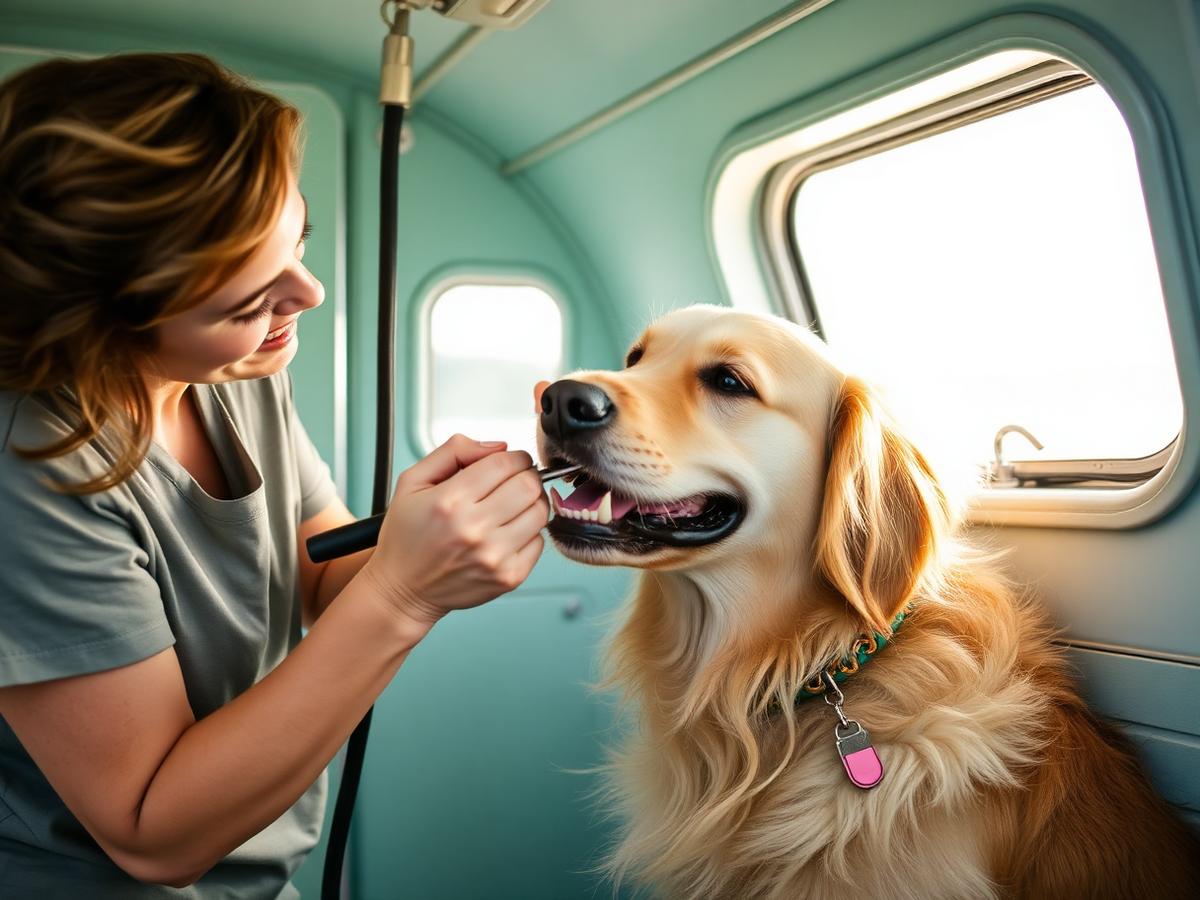
What's Included
What's in a dental visit
Enzymatic brushing
A dog-safe enzymatic paste — never human toothpaste, which contains xylitol and fluoride dogs shouldn't swallow — worked along the gum line where plaque actually lives.
Surface tartar lift
Gentle hand work to lift soft plaque and light surface tartar from the outer tooth faces, especially the big carnassials and canines.
Gum-line check
We look for redness, recession, loose teeth, and broken molars, and tell you plainly if what we see belongs with your vet instead of us.
Breath finish
A dog-safe rinse that leaves breath noticeably fresher — the thing most owners notice first, and the reason most of them rebook.
Home routine coaching
Two minutes on how to brush at home, which chews actually help, and how often to do it. The visit works far better with a routine behind it.
No anesthesia, no sedation
Your dog is awake, on the table, being talked to the whole time. Nothing is injected and nothing is forced.
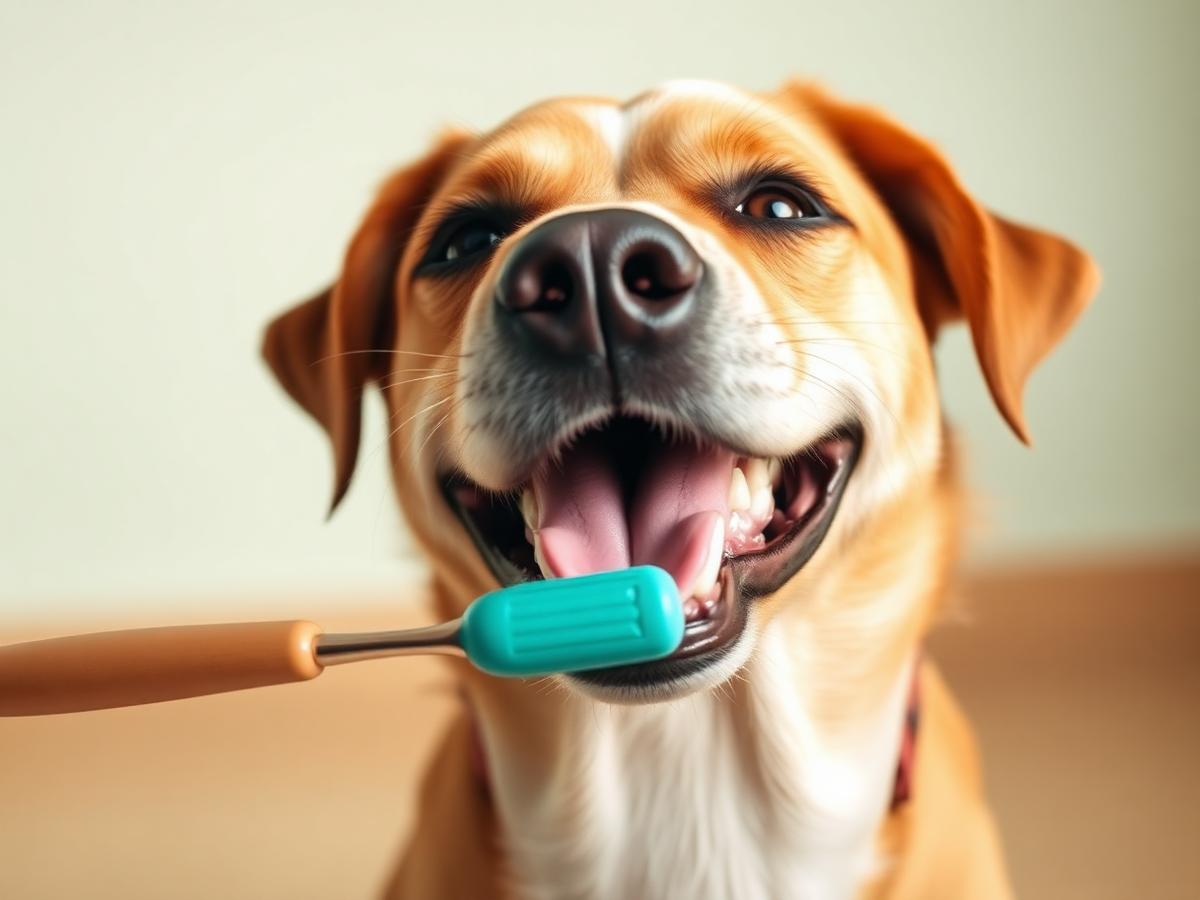
Good To Know
What this is — and honestly what it isn't
Anesthesia-free cleaning is preventive care, not a substitute for a veterinary dental. We clean what we can safely reach on an awake dog: the outer surfaces of the teeth and the gum line. We can't clean below the gum line, take dental x-rays, or extract a diseased tooth — those require anesthesia and a veterinarian, full stop.
What regular brushing does do is slow the cycle. Plaque hardens into tartar in about 48 hours; once it's tartar, brushing won't touch it. Keeping the soft stuff off between vet visits means less tartar, healthier gums, and often a longer gap between full dentals.
If we see a fractured tooth, a badly receded gum line, or heavy sub-gingival tartar, we'll tell you and recommend a vet visit. We'd rather lose the add-on than let a real problem sit.
- Over 80% of dogs show dental disease by age three
- Plaque hardens into tartar in roughly 48 hours
- We clean above the gum line only — no scaling, no sedation
- We refer to your vet whenever we see something serious
Our Process
How we clean your dog's teeth
Same order, every appointment, in the trailer in your driveway. Typical visit: About 20–25 minutes, one dog at a time.
Taste test
We put a dab of poultry-flavored enzymatic paste on a finger and let your dog lick it. Nine out of ten decide this appointment is fine.
Lip lift and look
A quick visual check of every quadrant — gum color, tartar load, any broken or loose teeth — before a brush touches anything.
Outer surfaces first
We brush the outer faces in small circles at the gum line, starting at the back molars where tartar builds heaviest and working forward.
Canines and incisors
The front teeth are the most sensitive for a lot of dogs, so they come last, in short passes with breaks.
Rinse and freshen
A dog-safe rinse clears loosened debris and paste, and leaves breath dramatically better than it started.
Report back
You get a plain-English rundown of what we saw, whether anything needs your vet's eyes, and how often we'd like to see those teeth again.
From The Driveway
What neighbors say.
"I added teeth cleaning on a whim and now it's non-negotiable. Our cocker's breath used to clear a room. She also flagged a chipped molar we got looked at."
"Straight talk about what she could and couldn't do, which honestly made us trust her more. Our vet noticed less tartar at the annual."
"Our little guy is dramatic about his face being touched. She got through the whole mouth by going slow and just narrating it to him the whole time."
Where We Go
Twelve towns, one trailer.
We bring this service to every town on the southern Maine coast we serve — no travel fee inside the area.
Breeds We Groom
Coat-specific care, too.
Every coat behaves differently. These guides cover what we do differently for each breed.
FAQ
Questions we get asked.
- Is anesthesia-free teeth cleaning safe for dogs?
- Yes, when it's done as gentle above-the-gum-line brushing on a willing dog, which is exactly what we do. It's not safe — and not what we offer — when someone tries to scale hardened tartar off an awake dog's teeth. If your dog needs scaling or extractions, that belongs with your veterinarian under anesthesia.
- Does this replace a veterinary dental cleaning?
- No. Think of it as maintenance between vet dentals, the same way brushing your own teeth doesn't replace a hygienist. It reduces plaque buildup and can lengthen the gap between full dentals, but it can't clean below the gum line.
- How much does dog teeth cleaning cost?
- $30 as a standalone service or $20 added onto a full groom or bath & brush. A veterinary dental under anesthesia in southern Maine typically runs several hundred dollars — different service, different price.
- How often should my dog get their teeth cleaned?
- We'd like to see teeth at every groom, so every four to eight weeks. Daily or every-other-day home brushing does more for your dog than anything else, and we'll show you how to make it painless.
- My dog won't let anyone near their mouth. Can you still help?
- Sometimes. We start with the paste taste test and only go as far as your dog allows. If they're genuinely mouth-defensive we'll stop, and we won't charge you for a treatment we couldn't do.
- What's the best chew for dog dental health?
- Look for products with the VOHC seal of acceptance. Skip antlers, bones, and hard nylon — fractured carnassial teeth from hard chews are one of the most common things we spot.
Reading we recommend
- Veterinary Oral Health Council accepted products — The list we point owners to for chews and rinses that actually reduce plaque.
- AVMA on pet dental care — What veterinary dentals involve and why anesthesia is required for scaling.
Ready when your pup is.
Pick your service, pick your town, and we'll roll into your driveway within the week.